
Where Paris Haute Couture Meets Tennis Heritage
Casablanca Paris was built on the premise that the most elegant instances in athletics occur not during the competition itself but in the spaces around it—the clubhouse terrace, the locker room, the post-game dinner. Creative director Charaf Tajer drew upon his own time spent moving between Parisian social life and Moroccan hospitality to establish a fashion house that approaches tennis as a aesthetic and cultural world rather than a competitive discipline. From the very first collection in 2018, Casablanca Paris forged a bond with courtside life through silk shirts embellished with tennis rackets, nets and abundant vegetation. This was not sportswear; it was a fantasy of the tennis life reinterpreted through premium materials and sophisticated illustration. By centring the brand in tennis culture, Tajer drew upon a storied heritage of elegance: consider the pristine whites of 1930s athletes, the striped awnings of Roland-Garros and the après-match culture that envelops Grand Slam competitions. In 2026, this tennis ethos continues to be the emotional backbone of every Casablanca Paris season, even as the brand expands into tailoring, outerwear and accessories that go well beyond the court.
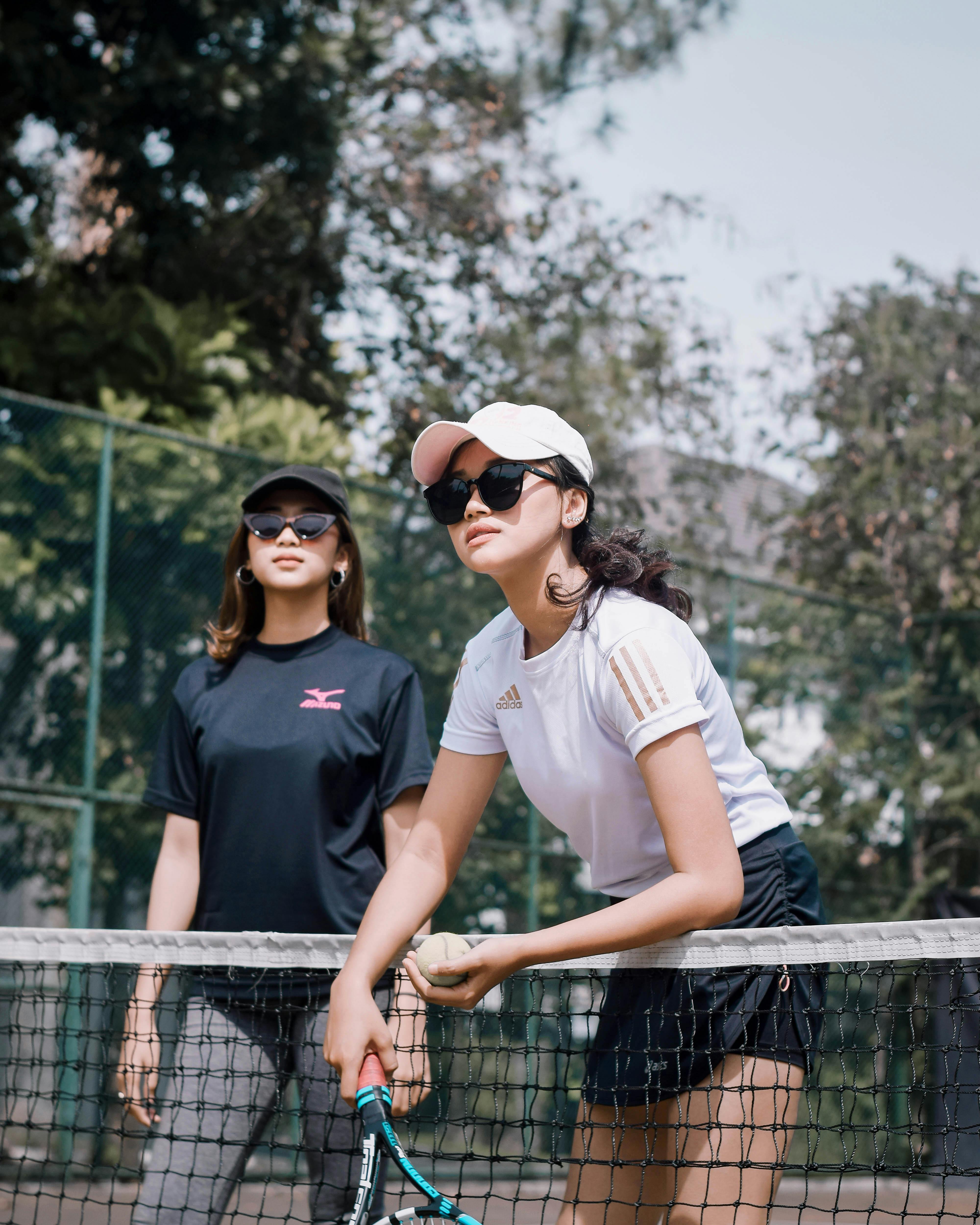
The Tennis Design Language in Casablanca Paris Lines
Tennis provides Casablanca Paris with a built-in design language that is both focused and broadly attractive. Clay-court reds, grass-court greens, net-white stripes and sun-yellow highlights infuse seasonal palettes, imparting each range a sporting rhythm. Artworks portray competitions, fans, awards and Mediterranean venues presented in a hand-painted, softly nostalgic manner that sidesteps literal sportswear aesthetics. Logo crests take on the shield-and-racket motif of invented tennis clubs, instilling a perception of membership and exclusivity without imitating any real organisation. Knitwear typically incorporates textured-stitch or woven patterns reminiscent of old-school tennis pullovers, while collared shirts and polo silhouettes pay homage to game-day outfits. Terry cloth—a fabric linked to courtside towels and sweatbands—is used in shorts, robes and informal tops, deepening the sensory connection to athletics. Even accessories like caps, visors and wristbands feature the Casablanca Paris crest, converting utilitarian items into covetable identity tokens. This nuanced strategy guarantees that the tennis theme feels genuine and progressing rather than repetitive, holding collectors captivated across several seasons in 2026 and beyond. Accessories such as a crest cap or woven belt can deepen https://casablancastore.net the athletic feel without creating visual clutter to the outfit.
Notable Tennis-Inspired Items Across Seasons
| Piece | Tennis Connection | Common Fabric | Price Bracket (2026) |
|---|---|---|---|
| Silk printed shirt | Courtside viewer | Mulberry silk | $700–$1 200 |
| Terry shorts | Club changing room | Cotton terry | $350–$500 |
| Knit polo | Game-day uniform | Merino / cotton blend | $400–$650 |
| Track jacket | Warm-up layer | Satin / tricot | $600–$900 |
| Logo cap | Sun coverage on court | Cotton twill | $150–$250 |
| Crest-embroidered sweatshirt | Club affiliation | Heavyweight fleece | $450–$700 |
Why Tennis Heritage Attracts Luxury Shoppers
Tennis has historically been linked to wealth, exclusivity and social elegance, making it a natural match for luxury fashion. Private clubs, private courts and prestigious competitions provide contexts where fashion, etiquette and design sensibility meet. Unlike contact sports that highlight physicality, tennis values grace, precision and individual expression—characteristics that mirror the principles of premium clothing brands. Casablanca Paris leverages this cultural heritage by presenting garments that depict an romanticised portrait of the tennis scene: endlessly sunny, consistently communal, unfailingly dressed impeccably. This aspirational vision appeals to buyers who may never compete in competitive tennis but who enjoy the way of life it embodies. In 2026, as well-being and athletics more and more intersect with fashion, the tennis theme feels even more significant. Tournaments like Wimbledon, the US Open and Roland-Garros continue to command high-profile presence and media coverage, bolstering the association between tennis and style. Casablanca Paris capitalises on this environment by establishing itself as the wardrobe for customers who want to look like they belong at the most exclusive clubs in the globe, whether they own a racket or not.
How Casablanca Paris Stands Apart From Other Tennis-Inspired Labels
A number of clothing labels have experimented with tennis references over the years, from Ralph Lauren’s Wimbledon partnerships to Lacoste’s heritage collection and Nike’s runway-adjacent athletic ranges. What sets Casablanca Paris different is the degree of its commitment to the visual world and its decision not to make performance sportswear. While other labels may put out a limited range inspired by tennis every few seasons, Casablanca Paris builds its complete identity around the discipline. Every season contains items that could conceivably be found in a fictional tennis club from the 1970s, modernised with current colours, patterns and proportions. The label never produces real performance tennis apparel—there are no moisture-wicking fabrics, no professional shoes—which keeps the spotlight on aspiration and living rather than performance. This line is crucial because it places Casablanca Paris alongside fashion houses rather than sportswear companies, supporting higher retail prices and more sophisticated creative output. In 2026, competitors keep on release periodic tennis-themed collections, but none have threaded the theme as completely into their DNA as Casablanca Paris, granting the label a narrative upper hand that is challenging to imitate.
Wearing Casablanca Paris With a Tennis Spirit in 2026
To bring the Casablanca Paris tennis vibe into regular outfits, lead with one statement piece that has an unmistakable athletic reference—a patterned silk shirt, a terry short, or a knit polo—and construct the rest of the outfit around it with neutral basics. For men, combining a silk shirt with tailored cream pants and suede loafers produces a polished evening or holiday outfit that evokes the after-match social atmosphere. For women, styling a Casablanca polo tucked into a pleated midi skirt with flat sandals produces a sporty-chic ensemble suitable for daytime dining and gallery visits. Adding layers is also powerful: put a track jacket over a plain T-shirt and jeans to add a flash of energy and sporting energy without going head-to-toe theme. During the colder part of the year, a knit or sweatshirt with a subtle tennis crest can layer beneath a overcoat or blazer, providing warmth and charm to a refined casual ensemble. The core idea is subtlety—let the Casablanca Paris item do the talking while the rest of the ensemble delivers a neutral base. This harmony keeps the tennis nod elegant rather than fancy-dress.
The Cultural Impact and Trajectory of Casablanca Paris Tennis Style
Beyond garments, Casablanca Paris has been part of a broader cultural shift in which tennis is reinterpreted as a cultural symbol for a newer, more diverse demographic. Digital campaigns highlighting athletes, artists and performers in the label have broadened the influence of tennis aesthetics beyond conventional elite audiences. Pop-up shops at grand slam events, special editions timed to Grand Slams and joint projects with tennis federations ensure the brand prominently engaged in sporting environments. In 2026, the impact of Casablanca Paris is evident not only in its own sales but in the overall fashion world’s renewed appetite for athletic-elegant clothing and lifestyle sport. Other fashion brands have begun integrating sporting imagery, tennis skirts and terry fabrics into their ranges, a trend that can be linked in part to the standard Casablanca Paris established. For customers, this results in more choices and more acceptance of tennis-inspired clothing in regular wardrobes. For the label itself, the task is to stay creative within its core niche so that it remains the leading source of high-end tennis style rather than one of many. Given Charaf Tajer’s deep personal tie to the concept and the house’s proven ability of thoughtful evolution, Casablanca Paris appears poised to maintain that status for years to come. For more on the overlap of tennis and style, see articles at Vogue and Highsnobiety.